
Our Legal Blog

Your Resource For Legal Information

Red
March 26, 2026
Short sale or foreclosure in Orlando? Learn risks, tax issues, and next steps from Law Office of Paul L. Urich, P.A. Call 407-584-1735 for a free consultation.
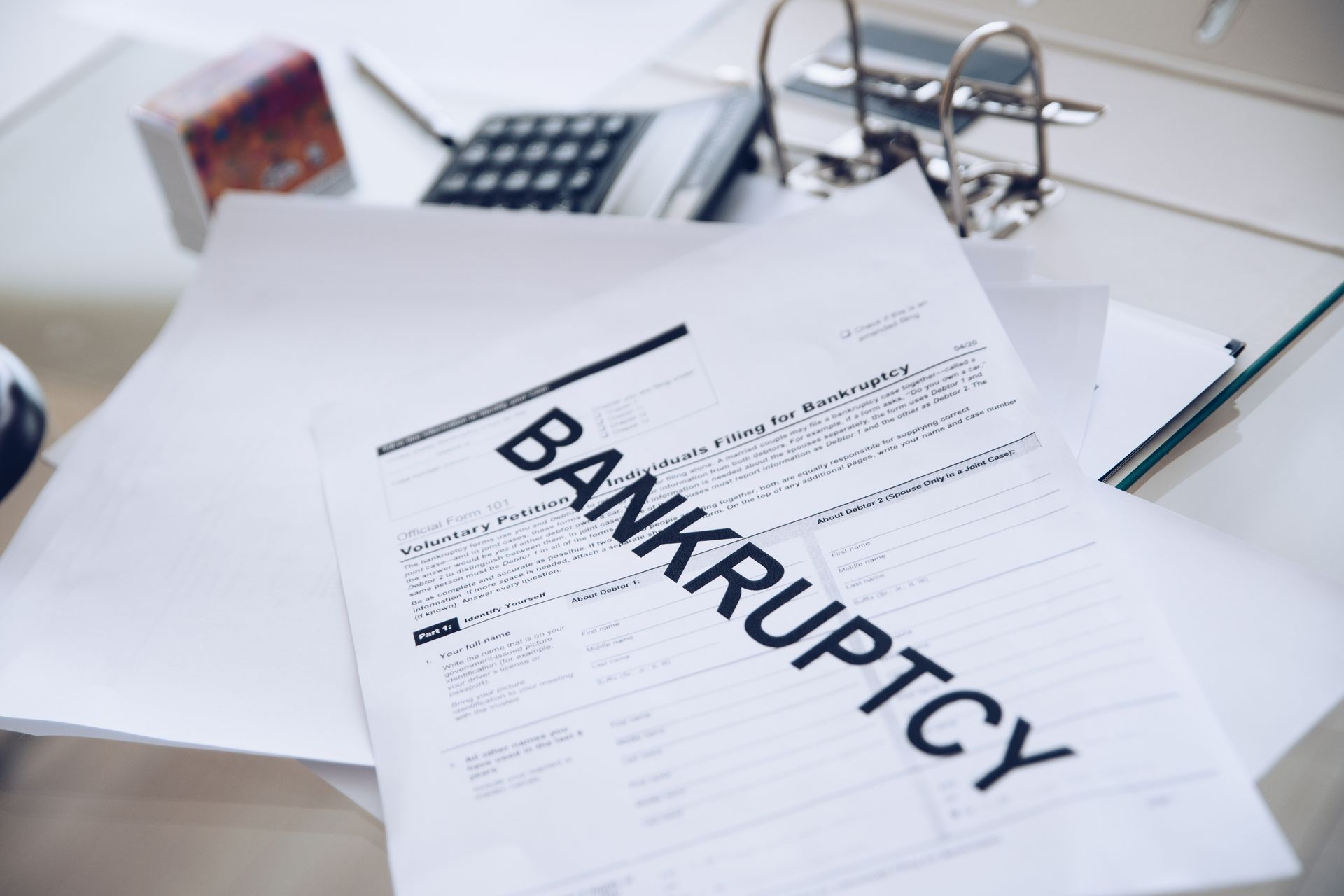
Pile of papers with
February 26, 2026
Is bankruptcy really the end of your financial life? An Orlando bankruptcy lawyer explains the truth and how filing can help you move forward. Call for guidance.

Hand holding gavel over a sound block with two broken heart-shaped pieces and wedding rings.
January 29, 2026
Going through divorce with debt in Orlando? Learn how bankruptcy can protect you from marital debt, reduce financial stress, and secure a stronger financial future.

Red car wheel chained to a padlock, for security.
January 1, 2026
Facing vehicle repossession in Orlando? Learn how bankruptcy can stop repossession immediately and how attorney Paul L. Urich helps protect your assets and financial future.

Black wallet with credit cards sticking out, against a white background.
December 4, 2025
Overwhelmed by credit card debt in Orlando? Learn how bankruptcy can wipe out or reduce your debt and how attorney Paul L. Urich helps clients get a fresh start.
Scales of justice and gavel on a desk, two people shaking hands with sunlight in the background.
October 17, 2025
Facing Serious Tax Debt in Orlando, Florida? Bankruptcy May Offer a Fresh Start
Penny, quarter, and dime coins on a dark surface. Quarter shows
September 18, 2025
Filing for Bankruptcy While Unemployed in Florida: Is It a Good Idea?
August 8, 2025
Wondering what happens to your home if you file for bankruptcy in Florida? Learn how Florida’s homestead exemption and bankruptcy options may help you keep your house. Serving Orlando residents.
A person is putting a coin into a blue piggy bank.
June 3, 2025
Learn how to qualify for Chapter 7 bankruptcy in Florida, including income limits, credit counseling, exemptions, and more. Serving Orlando residents at the Law Office of Paul L. Urich, P.A.
A statue of lady justice holding scales of justice in front of a row of books.
By On Behalf of Law Office of Paul L. Urich, P.A. February 4, 2025
Filing bankruptcy involves several steps. While these steps are not specifically part of the bankruptcy filing, consumer credit courses are still required before the debt is fully discharged. Pre-filing credit counseling Before you can file for bankruptcy, you must complete this course. It aims to help you understand your financial situation and explore alternatives to bankruptcy. It must be taken from an approved agency, and you need to complete it within 180 days before filing. The course typically lasts about 60 to 90 minutes and can be done online, over the phone, or in person. During the course, a credit counselor will review your income, expenses and debts. They will help you create a budget and discuss possible options for managing your debt. If bankruptcy is the best option, the counselor will provide a certificate of completion, which you must include with your bankruptcy filing. Filing for bankruptcy Once you have completed the pre-filing credit counseling course and received your certificate, you can proceed with filing for bankruptcy. It involves submitting a petition to the bankruptcy court and various forms detailing your financial situation, assets, and debts. Post-filing debtor education After filing for bankruptcy, you must complete a debtor education course before your debts can be discharged. This course focuses on financial management and aims to help you avoid future financial problems. It covers topics such as budgeting, saving and using credit wisely. The debtor education course is also provided by approved agencies and usually lasts about two hours. Like the credit counseling course, it can be taken online, over the phone, or in person. You will receive a certificate upon completion, which you must file with the court to obtain your bankruptcy discharge. Importance of compliance It’s crucial to complete both the pre-filing credit counseling and post-filing debtor education courses. Failure to do so can result in dismissing your bankruptcy case, which means your debts are not discharged. These courses aim to ensure that you fully understand your financial situation and have the tools to manage your finances better in the future. A bankruptcy attorney can help with these other requirements Consumer credit counseling courses are a mandatory part of the bankruptcy process and serve an essential purpose. They help you assess your financial situation, explore alternatives to bankruptcy and learn how to manage your finances effectively. Completing these courses is essential for a successful bankruptcy filing and a fresh financial start. 
More Posts