
Understanding zombie titles: What every Florida homeowner should know
Zombie titles result when banks do not complete foreclosures, leaving homeowners on the hook and potentially causing them further financial challenges.
Financial challenges are a very real problem for many people in Orlando, and throughout Florida. Often, those who are struggling with overwhelming debt may have difficulties keeping up with their regular mortgage payments. As a result, some homeowners may be forced into foreclosure, or choose to leave their homes in an effort to avoid bankruptcy. Many who find themselves in this situation, however, are unaware of zombie titles and the dangers they hold.
What are zombie titles?
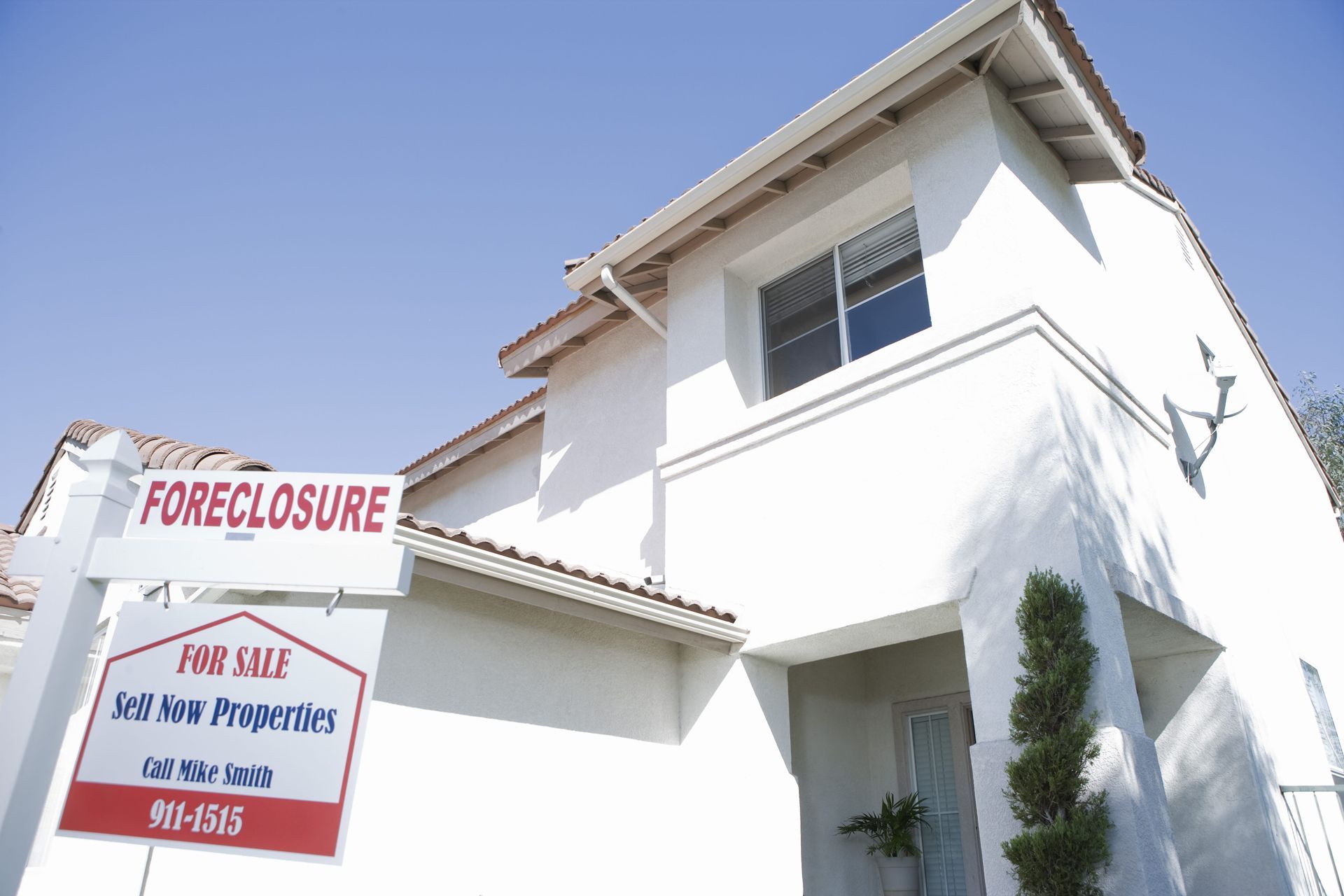
Often, when people receive foreclosure notices for their homes, they quickly move out. However, the bank may later dismiss the foreclosure. In these cases, the titles are never taken over by lenders and therefore remain in the owners’ names. These titles, then, are generally referred to as zombie titles. According to a National Mortgage News report, there are approximately 152,000 such homes across the U.S. It is very common that the owners of these properties are not aware that they still hold these so-called zombie titles.
Lenders may not provide notice of cancelled foreclosures
Even after starting the process, banks do not have to follow through with foreclosures. There are a number of reasons why a bank may choose not to pursue a foreclosure, or to cancel it altogether. Banks typically send out numerous notices regarding the initiation of the foreclosure process. However, they have no legal obligation to notify homeowners that the foreclosure process will not be pursued further, according to Forbes. For this reason, it is important for people to stay app rised of the situation, even if they have vacated their homes.
Property tax liabilities
Once a foreclosure has been started, many people believe the title is transferred over to the bank. That is generally not the case, however. As such, owners of zombie title homes remain liable for the property until the bank takes over possession or it is sold to someone else. This means that it is the owner, and not the bank, who is responsible for the home’s property taxes. Failing to pay property taxes, even on zombie title properties, may lead to wage garnishment or other legal actions.
Foreclosures may carry unexpected expenses
After an owner has vacated a property that is being foreclosed on, the home could fall into disrepair. Additionally, squatters and others may take advantage of the abandoned property and trespass. It is often the homeowner, not the bank, who is responsible for repairing any damages and maintaining a home during a foreclosure. Furthermore, the owner could be held liable if the property is in violation of city housing ordinances or codes.
All of these things could lead to added fees, expenses and costs that already financially strapped homeowners may not expect. This could seriously impact owners’ credit and futures. They may have added debts, which could force them into an unwanted bankruptcy, or prevent them from moving on from their losses.
Seeking professional legal counsel
Receiving notice that their homes are being foreclosed on can be devastating for Florida families. In addition to forcing them out of their homes, foreclosures may also have an adverse impact on homeowners’ credit. These issues may be worsened in cases when people learn that the process was never completed and their home’s title has become a zombie title. In some cases, working with an attorney to seek bankruptcy protection may help people to avoid foreclosure. This may allow them to keep their homes and avoid becoming the victims of zombie titles.
Keywords: bankruptcy, foreclosure